
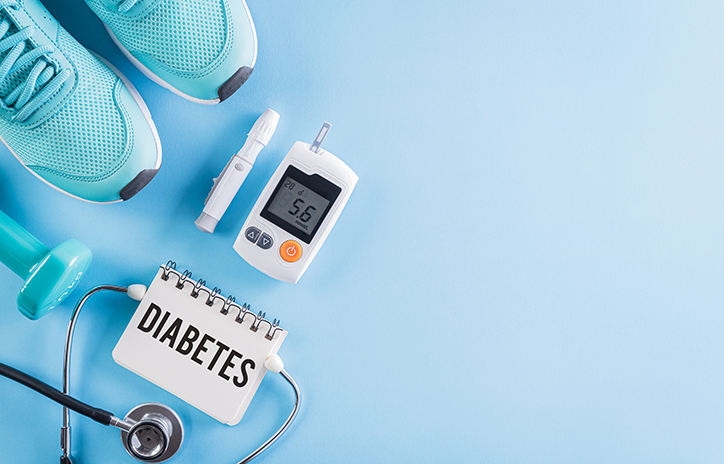
What Is Diabetes?
Posted April 22, 2022 by Dr.S.Vasdev Rao, M.S. (Ortho)Diabetes is a chronic condition in which the body does not manufacture enough insulin. Insulin is an important hormone that regulates how sugar and other nutrients travel through the body. If you have diabetes and your diet and lifestyle are not right, you may develop complications such as:
High blood sugar (cravings, thirst, hunger)
Low blood sugar (diarrhea)
Nausea
Blurred vision
Dizziness
Jittery nerves
Increased thirst/irritability
Impaired cognitive function (memory loss)
Constipation/diarrhea
Loss of muscle strength and endurance
Types of Diabetes
In the last few years, many people have been diagnosed with diabetes. For example, in the US, it is estimated that there are 50 million people with diabetes. The problem is that most of these people do not know what type of diabetes they have.
I read a post recently by someone who said that he was diagnosed with Type 1 diabetes and then made a hilarious joke about how he had always thought he was diabetic. He then went on to say that he hadn’t been doing any exercise and didn’t know how to diet, so he was surprised to find out that he has Type 1 diabetes. Since I am a Type 1 diabetic, I know firsthand how hard it can be to make all these changes in your life and feel as though you can do them all yourself.
Type 1 Diabetes (T1D) is an autoimmune disease caused by the body attacking its own insulin producing cells (it seems like this would be an easy thing to fix but it’s not). If you are diagnosed with T1D, your pancreas will stop producing insulin and you start feeling very low blood sugar levels (hyperglycemia) which causes you to lose control over your eating habits and weight loss becomes difficult or impossible especially since you stop eating sugar products like candy or soda (like almost everyone thinks they should).
Type 2 Diabetes (T2D) is also an autoimmune disease but instead of attacking insulin producing cells it attacks beta cells in the pancreas which produce insulin for glucose consumption, so it is called auto-immune diabetes. This type of diabetes attacks beta cells through infection or damage from other diseases like cancer and HIV/AIDS; although some doctors think that this is kind of an opposite effect than Type 1 diabetes since T2D is usually more common in older people.
So what do you need to do? Well first things first: if you are new to T1D Visit Saptagiri hospital Chaitanyapuri or Consult our doctor for a better understanding. You should always talk with your doctor about any symptoms that come up during treatment as well as any questions on how best to monitor symptoms during treatment such as checking your blood glucose
Type 1 Diabetes
We care about our diabetic friends and families. We know that getting the right treatment for them is critical to their health, and we want to help them get the best possible care. But when it comes to treating diabetes, there are a lot of different ways to do it, and a lot of different diseases that can go along with it. This problem gets confusing: some people have type 1 diabetes (also called juvenile diabetes), while others have type 2 diabetes. Some of those people have type 2 diabetes because they take too much insulin, or don’t take enough insulin (this is called non-insulin dependent diabetes).
Type 1 diabetes is a disease that causes your body’s cells to stop producing insulin normally. This doesn’t mean you are going to die in the next 24 hours or even in the next month: you might live for months or even years without having any symptoms of your disease. But in most cases, you will eventually develop any number of problems as a consequence of your disorder. For example:
You might wake up today and notice that you don’t feel well at all — maybe you can’t get out of bed or have trouble holding on to food. Or maybe you start experiencing shortness of breath one minute after getting out of bed — either because your body needs more oxygen or because your blood sugar levels are low enough that it’s harder for your muscles to get oxygen into them (if this happens too regularly, it could be an early symptom).
If this sounds like you, then please visit our website at Saptagirihospital.com, where we will give helpful information on what is wrong with you and what we can do about it. We also work closely with our patients, you can visit saptagirihospital Near to Chaitanyapuri metro station and consult our doctor for more info
Type 2 Diabetes
In the year 2016, more than 1.3 million Americans have type 2 diabetes and more than 5 million Americans have type 1 diabetes. Type 2 diabetes is the most common form of diabetes, while type 1 is the rarest form of diabetes
The two forms of the disease are often misdiagnosed and can be treated in different ways, which can lead to people going undiagnosed for a long time. If you want to seek out an expert opinion on whether your symptoms are indicative of type 2 or type 1 diabetes, then you might want to explore what we call Type 1 Diabetes Management (T1DM).
If you’re interested in learning more about T1DM, here are a few resources:
Diabetes Self-Management Educational Resources
Diabetes Self-Management Educational Links (also includes T1DM links)
This blog post is intended merely as a brief introduction to an area that might not be on your radar because it may seem complicated or abstract — but if you’re interested in learning more about this topic, then I hope this blog post was helpful!
Gestational Diabetes
Diabetes is a chronic illness that causes high blood sugar levels and insulin resistance in the body. There are several different forms of diabetes and they all have different causes. Most people with diabetes are not even aware they have it.
People with type 1 diabetes have the autoimmune disease, while people with type 2 diabetes have insulin resistance. Type 1 diabetes is a autoimmune disease where the body attacks its own cells, causing damage to the pancreas and eventually killing them off. Type 1 diabetes can be cured by taking medication (called insulin), but once it has started, it will continue until the individual becomes resistant to their medication.
Type 2 diabetes is a metabolic disorder that can be inherited or caused by lifestyle factors such as obesity or smoking tobacco. It affects up to 15% of Americans and up to 90% of people worldwide who smoke tobacco smoke or eat high-fat food (that is, foods rich in sugar). It also affects people who do not smoke as well as those who do and increases their likelihood of long-term complications including blindness, kidney failure, heart disease, stroke and amputation . . . . When people with type 2 diabetes start taking insulin for example, their blood sugar levels get worse over time until they stop taking the medication. They may also experience weight gain due to an increase in fat around their waist and other health risks like heart attack and stroke.
our doctor can help you determine if you have type 2 diabetes based on your family history (if you have a parent who has had it) or on your physical examination , by measuring your blood glucose level at different times during your day (called an A1C test) , by testing certain hormones called "insulin-like growth factors" that are secreted into your bloodstream (a test called "HbA1c" ) , finally, by measuring how fast your blood glucose levels rise after eating–this may help determine whether you need additional treatment from your doctor .
Prediabetes
Prediabetes is a condition in which blood sugar levels are higher than normal, but not high enough to be diagnosed as diabetes. It’s something you’re probably already familiar with, because it’s one of the conditions that typically comes up when people start talking about Type 2 diabetes. It’s a big deal for almost everyone, but it’s particularly challenging for people over age 40.
The term prediabetes was first coined by Dr. Anthony Atala and colleagues in the late 1990s to describe young adults who are in a pre-diabetic state, or those who have symptoms of pre-diabetes such as weight problems and a family history of diabetes. In 2012, the American Diabetes Association changed its name from Prediabetes to Pre-Diabetes and added the term “Type 1 Diabetes Mellitus.”
What Are the Causes and Risk Factors for Diabetes?
Type 1 diabetes is not a common condition in the U.S. and is typically diagnosed in people under age 50. It accounts for 20% of all cases of diabetes and 90% of adult cases (see the Centers for Disease Control’s overview).
Type 1 diabetes is a form of diabetes where the pancreatic beta cells, which produce insulin, are no longer able to produce enough insulin to control blood sugar levels. Type 1 diabetes usually begins before age 40 but can affect anyone regardless of age.
Type 2 diabetes is more common and accounts for 70% of all cases. People with Type 2 diabetes are at much higher risk for heart disease and stroke, along with other complications including kidney problems, nerve damage, blindness, amputation and kidney failure.
The first step in treating type 2 diabetes is correcting blood sugar levels by lowering or preventing them from rising too high (which can happen when consuming too many carbohydrates, especially sweets). The second step is to slowly reintroduce foods that help the body use insulin effectively once it has been “re-trained” to do so.
The National Institute on Diabetes & Digestive & Kidney Diseases has an excellent short video on type 2 diabetes available below: .
Causes of Type 1 Diabetes
In the late 1950s and 1960s, there were two major areas of research into diabetes. One was the field of insulin resistance, which researchers in the early 1970s found to be a cause of the disease. The other was the field of type 1 diabetes. Insulin-dependent diabetes mellitus is a condition that affects people with insulin-secreting β cells (glucose-secreting cells) in their pancreas. In type 1 diabetes, these cells do not produce insulin. People with this condition must take insulin to maintain normal blood sugar levels.
Insulin resistance is a result of genetics and lifestyle choices like poor diet and lack of exercise, which leads to an overproduction of body fats and a reduced ability to use fat as an energy source. Type 1 diabetes is caused by an autoimmune attack on the beta cell or beta cells that produce insulin–the body’s own supply of glucose–which results in impaired control over glucose intake leading to high blood sugar levels that can lead to serious complications such as blindness or kidney failure due to inadequate production of insulin or impaired ability to transport glucose into muscles for use as fuel as well as significant damage to other tissues including muscles, eyes and kidneys.
Causes of Type 2 Diabetes and Prediabetes
Type 1 Diabetes is a condition that results from an autoimmune reaction to the insulin-producing cells, usually the beta cells, in the pancreas. Once your pancreas stops producing insulin, you must take insulin injections to keep your blood glucose levels from falling too low (diabetes).
Type 2 diabetes is caused by chronic high blood sugar levels and is equally as serious as Type 1. It’s not just a lifestyle problem either. People with Type 2 diabetes also have genetic factors that predispose them to develop it later in life.
People with Type 2 diabetes have several risk factors and do not get it from exercising or eating healthier than previously done. They are more likely to develop high blood sugar if they are overweight or obese, have an unhealthy diet, lack of physical activity and poor sleep habits. If you’re new to this topic then read this post on what causes Type 1 and Type 2 diabetes before reading on here.
Causes of Gestational Diabetes
The most common cause of gestational diabetes is poorly controlled diabetes during pregnancy. If a woman has uncontrolled diabetes, she should use all of the prenatal care she can, and seek medical care if needed.
The best way to reduce your risk of gestational diabetes is to control your diabetes before pregnancy. If you have gestational diabetes or polycystic ovarian syndrome (PCOS), your doctor may recommend that you take an oral medication called metformin for about a month before your pregnancy starts. There are also certain conditions known as polycystic ovary syndrome (PSO) that may increase the risk of gestational diabetes or hyperglycemia.
Diabetes Signs and Symptoms
This is a good one, as it helps to illustrate the difference between type 1 diabetes (T1D) and type 2 diabetes (T2D).
For us, T1D, which is usually described as “instantaneous” or “insulin resistant” diabetes, is a very rare condition. I’m not sure if this article will help clear up any confusion: Do you know what T1D really means? This is a great way of explaining diabetes in the layman’s terms.
In general: if you have Type 1 Diabetes, your pancreas produces no insulin and your body does not recognize insulin as an appropriate hormone to regulate blood glucose levels. The only way for insulin to be released into your blood stream is when glucose levels in your blood are too high (e.g., after eating or drinking something that raises your blood sugar too quickly) or too low (e.g., when you don’t eat enough for several hours). This is why Diabetics need to take certain medicines that stimulate their pancreas and start taking their medication every time they eat or drink something that triggers a rise in their blood glucose levels. In other words, they have to eat carbs a lot and drink lots of water.
If you have T2D (which can also cause both of these conditions), on the other hand, your body responds to oral carbohydrates by producing insulin towards the end of the digestion process – after all, you are getting energy from food. In fact, this phenomenon has been called “insulin resistance.” You just don’t recognize it as such because you aren’t getting enough energy from food – which happens to be what most people think about when they think about diabetes anyway!
On top of that, if something happens that causes more glucose molecules in the bloodstream than normal – for example if an injured part in your body starts bleeding more than usual – then there will be less insulin circulating around in the bloodstream altogether and this will lead to higher glucose levels even though you are still getting adequate amounts of energy from food.
As you can imagine… That results in more severe symptoms than just having high blood sugar:
Symptoms like increased thirst and urination
Severe weakness
Vision problems
Unexplained weight loss
Frequent infections
Muscle pain
Type 1 Diabetes Symptoms
Type 1 diabetes is a serious condition with a high mortality rate. Understanding its causes and how to prevent its complications is vital to your health and well-being.
The first step is for you to understand what it is, because you should be able to recognize the symptoms, even if you don't have any of them. When a person has type 1 diabetes, their blood sugar level goes up and down. This effect can be seen as a "sugar high" or "sugar low." Type 1 diabetes can also cause other problems, so it's important to take action now.
In this post, we'll go over the symptoms of type 1 diabetes. In a later post, we'll discuss how you can prevent these symptoms from occurring in the first place. Type 1 diabetes is an autoimmune disease that attacks the insulin produced by your pancreas (the organ that makes insulin). If left unchecked, this damage will lead to irreversible damage on the body's organs such as heart and kidneys. When someone has type 1 diabetes, they will be less likely to treat complications such as kidney failure or blindness caused by diabetic ketoacidosis (DKA) than people who do not have type 1 diabetes. The reason for this is due in part because people with type 1 diabetes have less access than people without type 1 diabetes to insulin pumps that can help keep their blood sugar levels constant and low. People with non-insulin-dependent type 2 diabetes may also benefit from treating their disease with diet only as opposed to insulin injections or oral medications that are prescribed for people who are unable to control their blood sugar levels on their own due to complications from other diseases such as heart disease or kidney failure .
Diabetes Complications
Diabetes is a chronic disease that affects every single one of us at some point in our lives. Whether it’s because of a lifestyle change, or persistent health issues, diabetes can be so hard to deal with and affect you so much.
In this podcast episode, I discuss the differences between type 1 diabetes and type 2 diabetes. I also give my thoughts on how we can take control of our diabetes and not let it take over our lives.
I hope you enjoy the episode! If you have any questions or comments, please leave them below!
How Is Diabetes Diagnosed?
Diabetes is a chronic condition of the body that causes your blood glucose (blood sugar) to go up and down faster than usual. This can lead to complications such as kidney failure and heart disease.
Diabetes is a disease caused by the body’s inability to properly use insulin, a hormone produced by the pancreas. Insulin is used in the body to manage your blood glucose level. When you have diabetes, your pancreas does not produce enough insulin for you to manage your blood glucose level. This can lead to high blood glucose levels (elevated glucose levels).
Type 1 Diabetes tends to be diagnosed in children who are under 15 years old, but it can also be seen in adults as well. Type 1 Diabetes starts very early in life, usually around age 6 or 7 years old. The presentation of Type 1 Diabetes can vary from person-to-person, but it typically includes:
1. Trouble sleeping
2. Cravings for sweets or sugar
3. Weight loss due to not exercising enough or eating too much food
Symptoms like increased thirst and urination
4. Poor appetite
5. Constipation (intestinal pain)
A1C Test
A1C is a test for diabetes, but it’s not really. It’s a test for blood sugar. A1C stands for the average blood sugar (A = Average) of the last two fasting blood samples taken before a doctor or lab technician draws blood from you.
The measure of A1C ranges from around 4% to 7% when there is no diabetes and that reflects the average over the last 2 months (the original tests were performed in two weeks, so you had two weeks to catch it). Normal values are between 7 and 8%.
While your A1C does affect your risk of developing type II diabetes, that risk goes way down over time once you get below 9%. At first, when you have an A1C above 10%, the warning signs of diabetes appear, such as irregular or fast heart rate or breathing rate. But they look different than what we typically see with type 2 diabetes. If you have an A1C above 10%, here are some things to check:
Your A1C is not normal and should be checked regularly if it’s higher than 9%.
You may have high levels of glucose in your urine (due to alcohol consumption) or on your skin
(due to pregnancy). These are symptoms of early type 2 diabetes and can be treated by stopping alcohol consumption and taking metformin (glipizide) two times daily for 3 months to help prevent a return to fasting hyperglycemia. Check with your doctor about how long this takes; too much metformin can cause harm in people with type 2 diabetes.
If your A1C is higher than 8%, check other symptoms like fatigue, vision problems, food cravings and weight loss — these can all be signs that something isn’t right with your body. Get tested again if necessary; some people experience a high or low level of glucose in their urine or on their skin throughout the day while they are awake, which can lead to confusion and fatigue when they get too tired at night. There are also rare situations where high levels cannot be detected even though they could be present — these require immediate medical attention because they may indicate something more serious like an infection or cancer.
If you have Type 1 diabetes but don’t know what caused it yet, talk with your doctor about getting tested so you can make sure there isn’t anything else going on with your body that
Random Blood Glucose Test
Imagine this scenario: you’re at work and start getting dizzy. Then you get a little bit sick and maybe a little sickly. Your blood sugar is high, and your doctor is concerned that you might have diabetes. You may be insulin resistant and you could develop type 1 diabetes.
I’m sure the terms “type 1 diabetes” or “insulin resistance” have crossed your mind, but they aren’t really what’s going on in your body right now. You have insulin resistance, which means that your cells can no longer respond to the insulin they produce even though it is being delivered normally by your pancreas (the organ that produces insulin). The fact that you are still not getting any of the glucose influx into your bloodstream means that the cells aren’t releasing any insulin, which means something isn’t delivering the glucose into your bloodstream properly; something like the pancreas or something inside of you is not producing enough insulin to be able to do its job or…
Type 1 diabetes (T1D) happens when this lack of adequate insulin production kicks in — at least in some people — and it can progress very quickly. It doesn’t matter whether you have type 1 diabetes or T2D (there are many different forms of both), but if it is caused by a genetic factor, then there tends to be a higher risk of developing type 2 diabetes later on (especially if there isn't enough exercise for us to lose body fat). In case it isn't clear – Type 2 is also called non-insulin related diabetes because it's probably caused by other factors than insulin resistance.
In case it isn't clear – Type 2 is also called non-insulin related diabetes because it's probably caused by other factors than insulin resistance.
Fasting Blood Glucose Test
Doctors are now advising people with diabetes to consider fasting blood sugar testing. In a randomized controlled trial published in the Journal of the American College of Cardiology, researchers at Saptagiri Hospital in Mumbai found that patients who were instructed to fast for two days before their test showed better results than those who were not.
Saptagiri Hospital is an urban teaching hospital with a long history of screening, treating and managing diabetes and hypertension. The hospital also has free access to free blood sugar test strips (by its Pharmacy).
Oral Glucose Tolerance Test
Diabetes is a serious condition that impacts your life if you have it. Diabetes affects people of all ages, from babies to adults and can even affect those who are not diabetic. It is a disease in which the body does not produce enough insulin, or the hormone that helps control blood sugar levels. Insulin is needed for energy and glucose (the main sugar in blood) to enter the cell and be used by the body. Particularly in kids with diabetes, this can be more difficult than for adults to handle on their own because their bodies aren’t as used to processing sugars as an adult’s.
To help prevent future diabetes, it is important that you understand what diabetes is and what causes it. Type 1 diabetes is usually caused by certain genetic conditions, but there are other causes too, including:
Infections like Epstein-Barr virus or cytomegalovirus infection
Lowering your quality of life through interactions with medications or overactive hormones like testosterone
Excessive weight because of having a high body weight in general
You can find more information here: http://www.diabetesresearchcentre.com/diabetes/types-diabetes-diabetes-and-cure/type-1-diabetes/what-is-type-1-diabetes/. The Diabetes Research Centre has published an excellent guide on types of diabetes . We don’t take any responsibility for any damage caused by reading this post; it was just part of our regular research process!
Diabetes Self-Management
One of the biggest challenges in diabetes management is the lack of education and awareness around the subject. People with diabetes are frequently told that they have type 1 diabetes, but they’re not necessarily clear on what that actually means or what it means to manage it. If you’re not completely clear on the details of diabetes type 1, you’re not likely to be in control of it and your life will be affected by this.
Type 1 diabetes is a very particular autoimmune disease where a person’s immune system attacks something in their bodies — usually their insulin-producing cells. This causes an inability to produce insulin, which makes them (in most cases) diabetic for life. The symptoms vary from person to person, but almost everyone with type 1 diabetes has some sort of difficulty controlling glucose levels in their blood (and many also have problems regulating other bodily functions).
To manage this disease well, it is important to understand these symptoms: how much sugar is being produced; why sugar production may be happening; how your body tries to regulate sugar levels; and how your body helps regulate sugar levels. And it is important to understand these symptoms so that you can do something about them:
Type 1 diabetes can sometimes feel like a crush when you don’t think it’s significant enough or when you don’t recognize its warning signs (such as frequent urination or a feeling of not being able to get enough calories).
People with type 1 diabetes often say that they have “blocked up” glucose production at some point during their lives, but this isn’t always true (particularly if they have been having problems regulating blood glucose before). This may seem like an irrational fear, but if you notice any symptoms related to these blocked-up glucose production (or issues related to “blocking up”), talk with your doctor about them and make sure that you are fully aware of the condition. Doing so can help reduce future risk and improve your quality of life!
If you do notice any changes around glucose production — i.e., changes in the amount of food consumed or in the amount of exercise done — talk with your doctor about them as well. Your health may be more closely related than you realize!
In addition, there are other key factors which must be considered before making decisions on treatment:
Is there a family history? Are there other children who also suffer
What types of diabetes require insulin?
Saptagiri Hospital is located in a suburb of Delhi, India. The hospital was established in the year 1878 and its name was Saatgiri. The hospital is one of the most renowned hospitals of the country and has been providing good medical services to the patients for more than a century to date.
The hospital provides many options for type 1 diabetes management like insulin lispro injection, insulin aspart injection, insulin glargine injection, insulin glulisine injection, Insulin Drip injection, Insufene injection etc., if you have type 1 diabetes. It also provides various types of hypoglycemic medicines like prandial glucosamine HCl tablets etc.
You can access the website of this hospital from this link: https://www.saptagirihospital.com/diabetes-management/implementing-insulin-treatment/type-1-diabetes/ We have tried to provide you with some information about type 1 diabetes management here which will help you understand your condition and offer solutions to it so that your diabetes doesn't take over your life and make it a worse one!
What is the main cause of diabetes?
Type 1 Diabetes is a metabolic disease caused by an autoimmune disorder. This means that your body attacks and destroys insulin-producing cells in your pancreas. Insulin, the hormone responsible for carrying glucose around in the blood, doesn’t work properly and cannot transport glucose into the cells to be used as fuel. Your body produces too little insulin and you become very sick.
Type 1 diabetes is caused by an autoimmune disorder where the immune system mistakes insulin-producing cells as foreign invaders. The effect of this faulty response is to attack them, destroying them in the process. This leads to a severe and potentially fatal loss of blood sugar control. With Type 1 diabetes, there are no drugs available to treat it and it usually cannot be reversed with any of the currently available treatments.
Type 2 Diabetes is another variation of this disease but it affects more people than Type 1 diabetes and has a longer duration (sometimes up to 10 years). With Type 2 diabetes, your blood sugar levels do not get too high at first but usually stay high for a long time. Diabetes can be more serious for people who have type 2 diabetes (possibly due to an autoantibody response), which can lead as well to heart problems or kidney failure, so it’s important that they see their doctor regularly if they are experiencing any symptoms or complications related to their condition.
How common is diabetes?
You may have heard of Type 1 diabetes, or you may have seen the commercials for a new insulin pump. The prevalence of diabetes is fairly low, but it still affects many people. Diabetes is a chronic condition that can cause serious health problems for those with type 1 diabetes, and for those with type 2 diabetes.
The causes of type 1 diabetes are not entirely understood; however, it is thought to result from an autoimmune reaction to the insulin produced by the pancreas.[1] It is also thought that in some cases, non-insulin related factors such as diet and exercise can trigger the immune response.[2]
People who experience a severe case of type 1 diabetes usually develop their symptoms at an early age and become very sick by their late teens or early 20s. Around 50% will be diagnosed with type 1 diabetes before they reach 50 years old.[3]
People with Type 2 Diabetes are different from people with type 1 diabetes in that it is not triggered by a specific immune reaction. Instead, people with Type 2 are at higher risk of developing serious complications from the disease. Doctors refer to both types as Type 2 Diabetes because there are several causes for it (the most common being obesity).
Diabetes Fast Facts
Type 1 diabetes is a chronic autoimmune disease that is more prevalent in people aged 20-40. Type 1 diabetes occurs when there is an autoimmune response to the insulin in the body. This immune system attack does not lead to insulin resistance, which would be the case with a non-autoimmune response. Rather, it leads to destruction of insulin-producing cells in the pancreas, leading to exocrine and endocrine (testes and ovaries) diabetes. The latter may be present early in life, but by the time of diagnosis, a significant portion of cases are adults.
Most people with type 1 diabetes have no symptoms and are unaware that they have it. An estimated 70% of people with type 1 diabetics develop chronic kidney disease by age 50; 80% develop cardiovascular disease by age 80; and 50% die from cardiovascular disease by age 90.

Related Posts

Classification of Omicron (B.1.1.529): SARS-CoV-2 Variant of Concern
Coming Soon by Dr.S.Vasdev Rao, M.S. (Ortho)
Advice for the public: Coronavirus disease (COVID-19)
Coming Soon by Dr.S.Vasdev Rao, M.S. (Ortho)Leave a Comment
Your email address will not be published. Required fields are marked *